
Journal
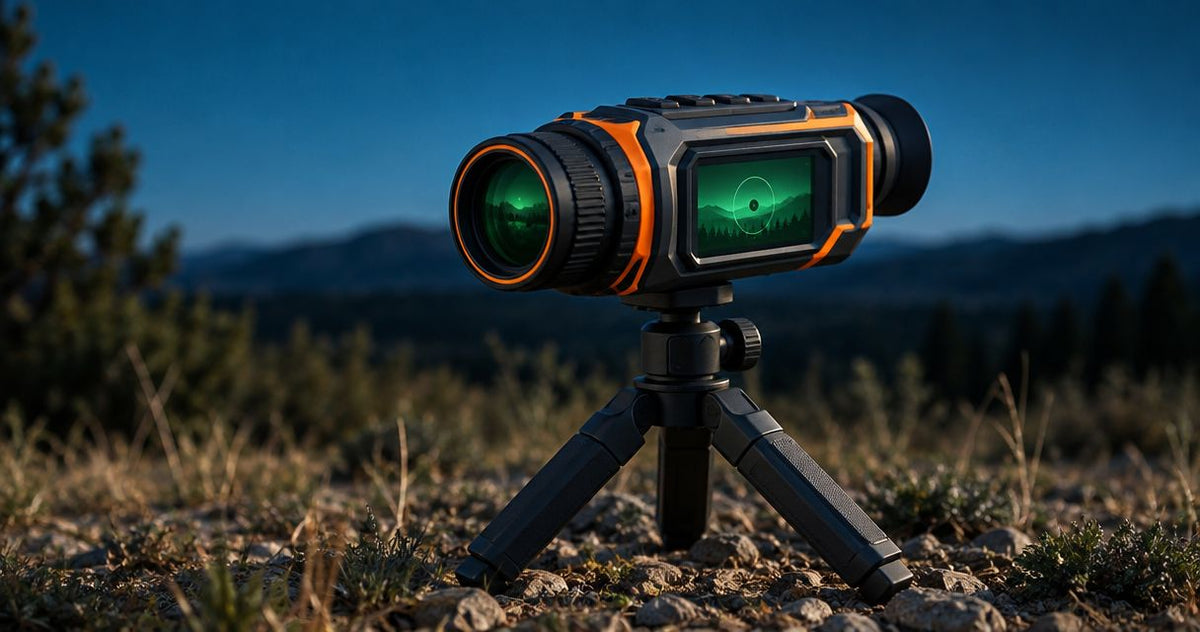
How to focus a digital night vision scope for a sharp image
To get sharp digital night vision scope focus, set the eyepiece dioptre until the menu or reticle is crisp, then adjust the objective focus on a stationary subject at your viewing distance. If the scene remains unclear, check lens cleanliness,...
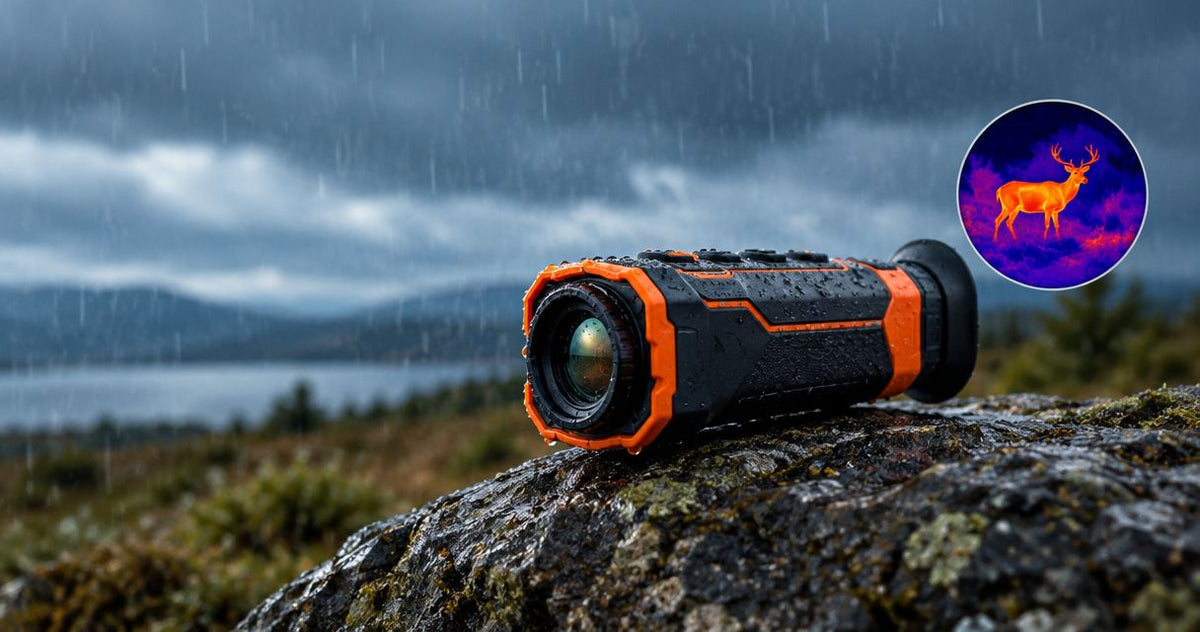
How does rain affect a thermal imaging monocular?
Rain reduces a thermal imaging monocular’s image contrast and usable viewing distance by weakening the infrared signal through the atmosphere, changing surface temperatures and leaving water on the objective lens. A weather-resistant housing protects the electronics within its rated limits;...
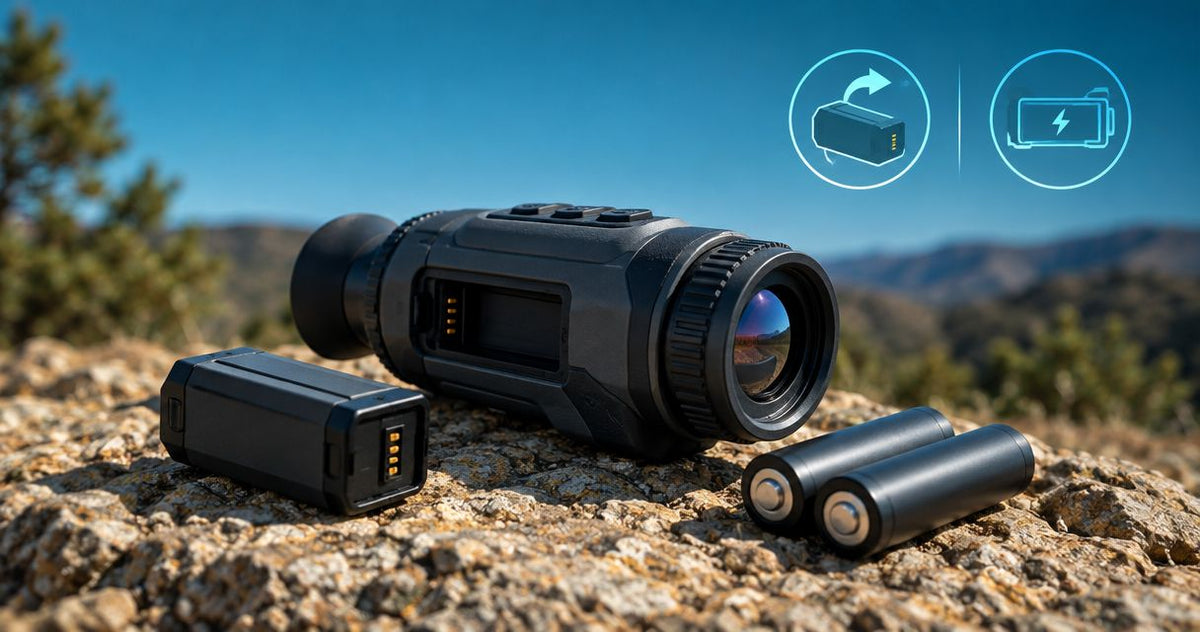
Thermal monocular batteries: removable or built-in?
Choose removable batteries when you need to extend a hunt without waiting for the monocular to recharge; choose a built-in battery when charging between outings suits your routine. Thermal imaging monocular battery life depends on the specific device and operating...
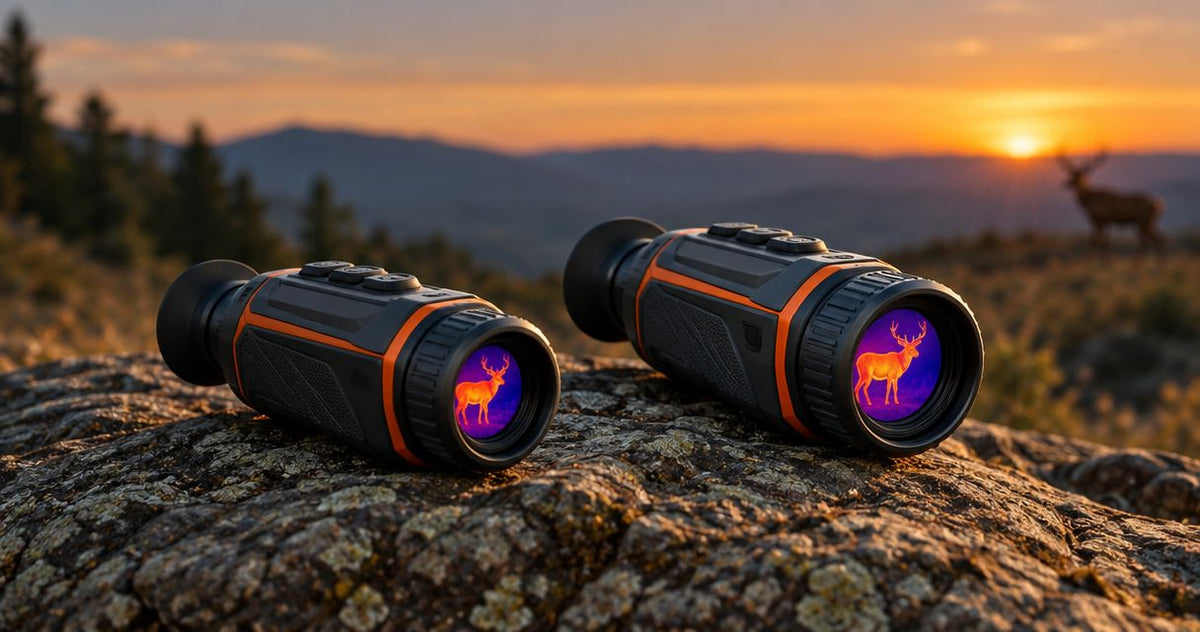
384 or 640: which thermal imaging monocular suits your hunts?
Choose a 384 thermal monocular for scanning and locating animals when its lens and field of view suit your ground; choose 640 when retaining more detail during closer inspection is your priority. The higher detector resolution does not guarantee better...
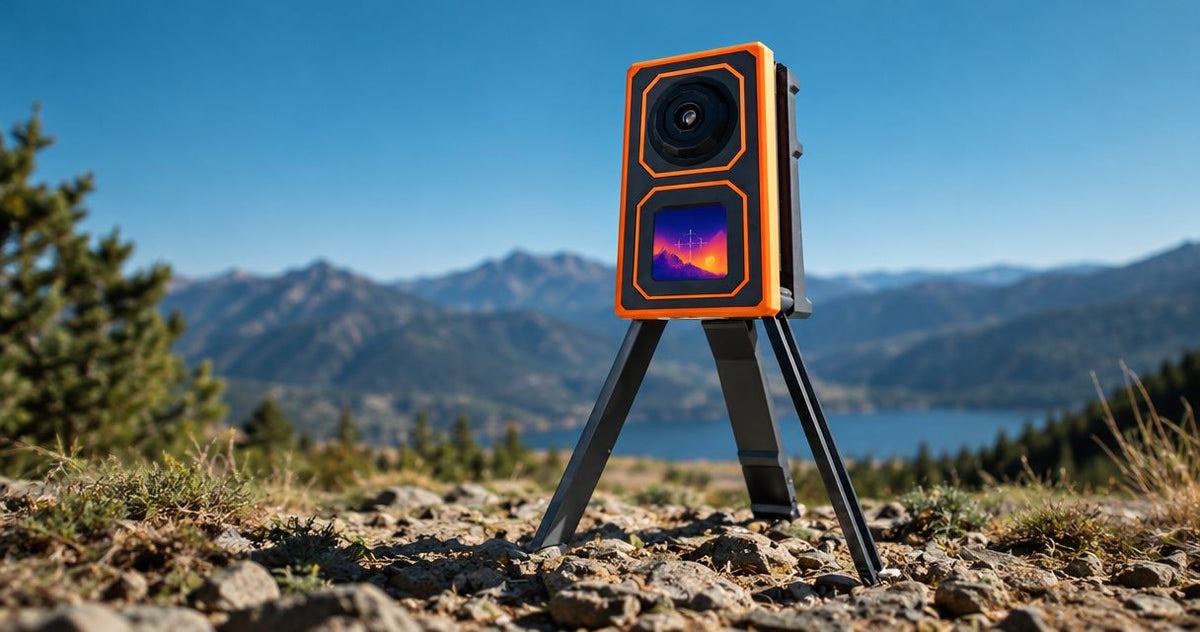
How much field of view do you need in a thermal monocular?
Choose a wider thermal imaging monocular field of view for close-range scanning, timber and moving animals; choose a narrower view when your main task is examining a smaller area across open country. For a 2026 purchase, compare the published horizontal...
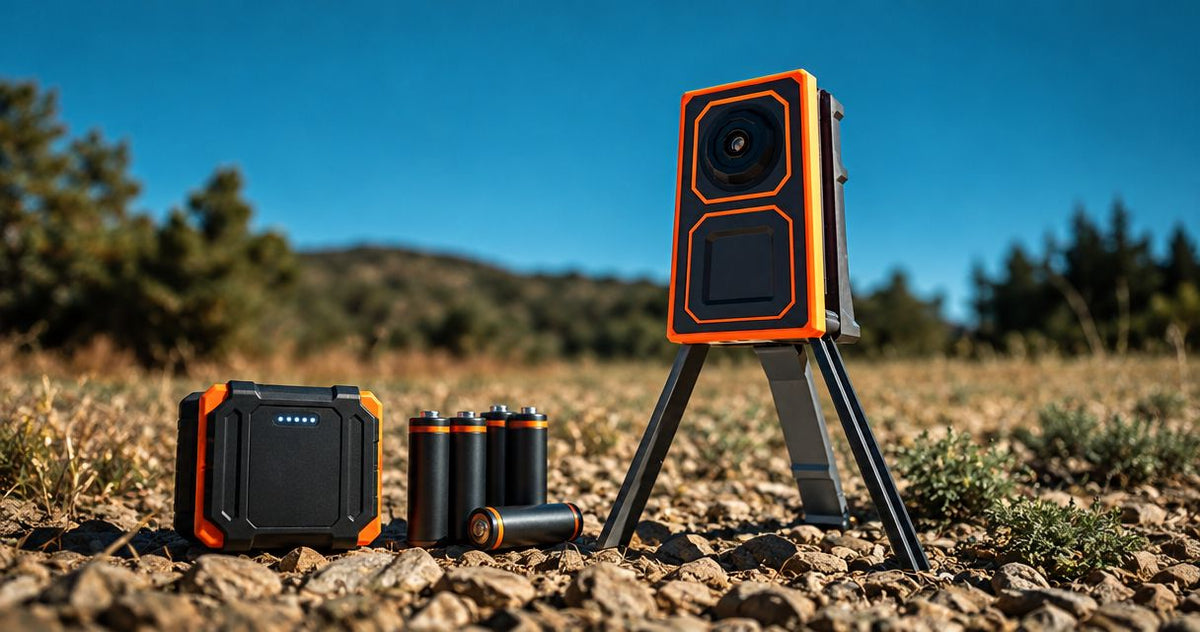
How to choose batteries for your IR illuminator
Choose the battery specified for your IR illuminator’s exact model, then check its chemistry, voltage, dimensions, terminal type and charger compatibility before comparing capacity. IR illuminator battery life depends on the battery and the output setting together; a larger capacity...
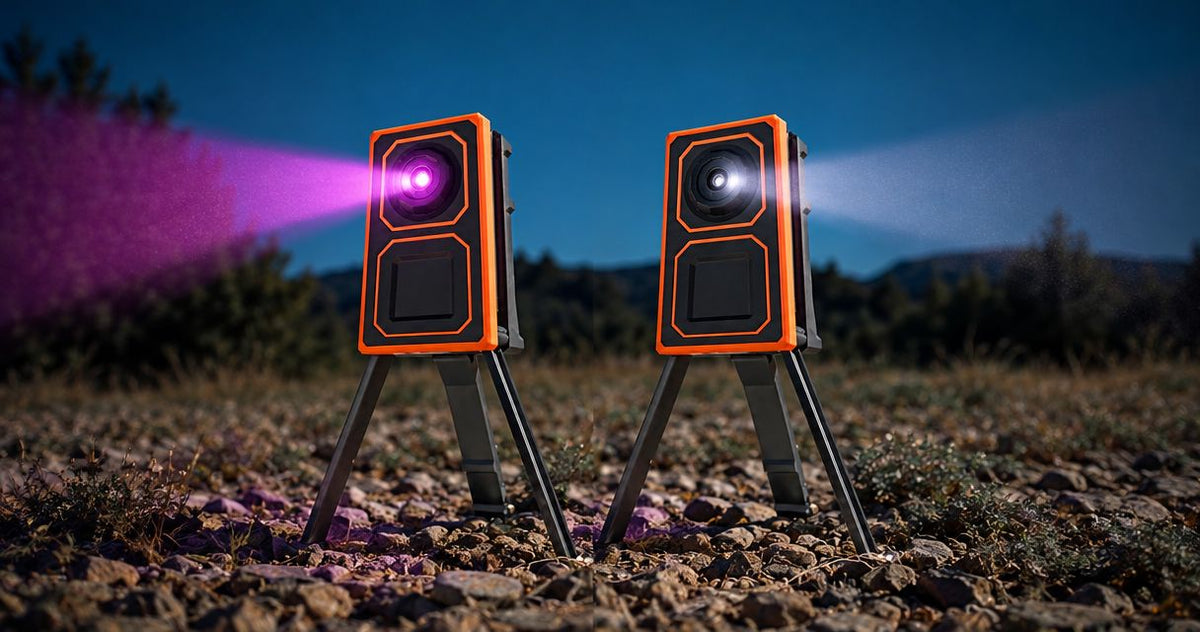
850nm or 940nm: which IR illuminator suits your night vision?
Choose 850nm for stronger image sensitivity on many digital night vision sensors; choose 940nm when reducing visible emitter glow matters more. For an IR illuminator 850nm vs 940nm decision in 2026, check your scope’s wavelength compatibility first: a less conspicuous...
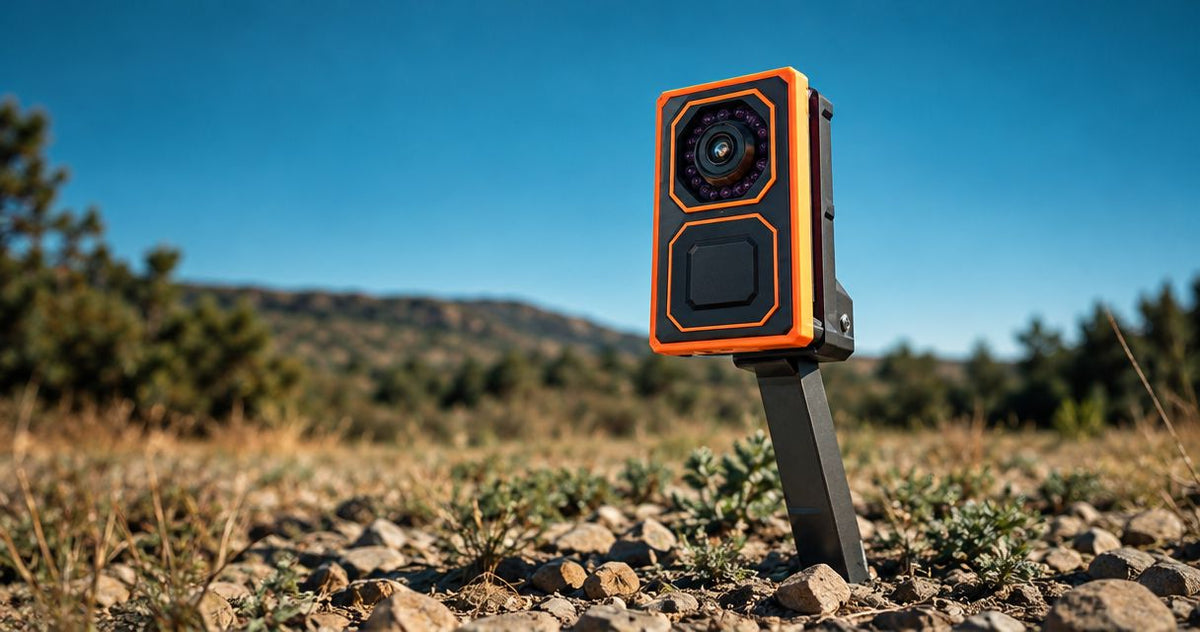
Where should you mount an IR illuminator?
Mount an IR illuminator on a rigid, compatible attachment point beside or above your night vision optic, with the beam clear of the rifle, accessories and nearby obstructions. Choose the position that lets you align the illumination with the viewing...
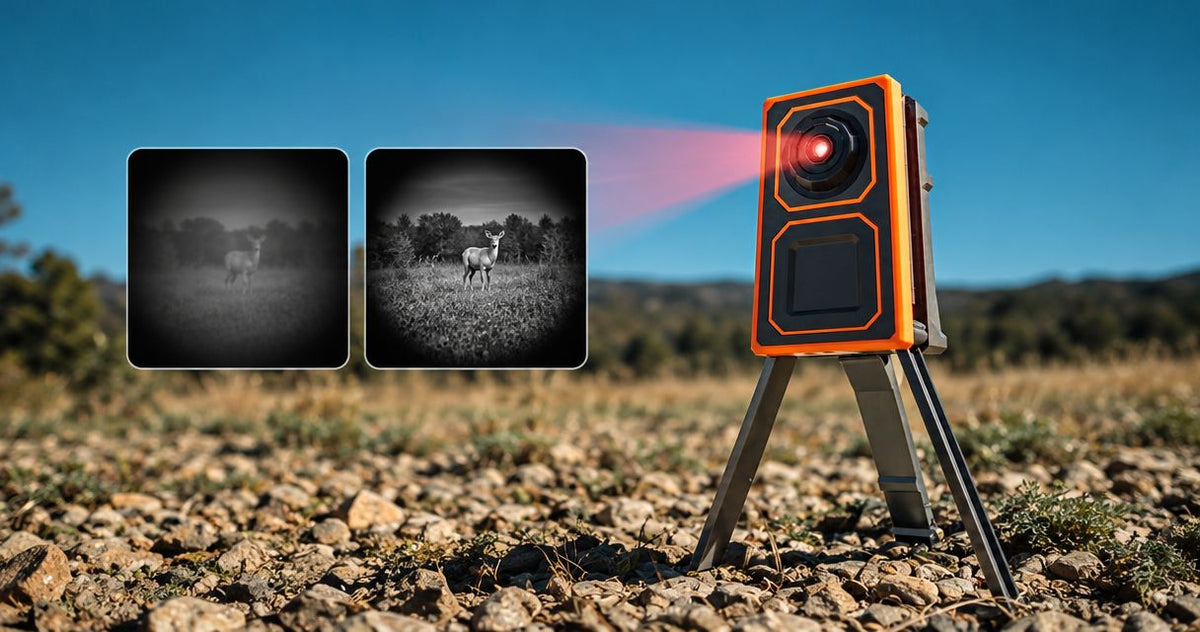
How to adjust an IR illuminator beam for a clearer image
For clearer digital night vision, start IR illuminator beam adjustment with a broad beam, centre it on the viewing area, then narrow it only until the subject gains useful contrast without a bright hotspot. Set the scope’s eyepiece and objective...